



Neurorestoratology. Volume 1 & 2: Theories and Techniques of Neurorestoratology


Neurorestoratology. Volume 1 & 2: Theories and Techniques of Neurorestoratology
Shipping: Delivery 2 To 3 Working Days
Returns: 7 Days Easy Return
Welcome to the world of “Neurorestoratology,” encompassing the comprehensive Volumes 1 & 2 that unveil the theories and techniques behind neural restoration. This groundbreaking edition is your gateway to understanding the intricate and evolving field of neurorestoratology, providing you with the essential knowledge to explore the frontiers of neural regeneration and recovery.
Delve into the realm of neurological restoration, comprehend the underlying theories, and grasp the significance of cutting-edge techniques. Whether you’re a medical professional, a researcher, or a student, this edition equips you with the insights and skills to contribute to the advancement of neural restoration and make a lasting impact on the field of neurorestoratology.
ORDER ON WHATSAPP | واٹسّپ پر آرڈر کریں

Neurorestoratology, Volume 1 and 2: Theories and Techniques of Neurorestoratology
by Hongyun Huang (editor), Geoffrey Raisman (editor), Paul R. Sanberg (editor), and Hari S. Sharma (editor).
Neurorestoratology is one of the most important disciplines in modern medicine and is also the most important discipline in neuroscience. Its core aim is to restore, promote, and maintain the integrity of impaired or lost neuronal functions and/or structures by using novel cell-based comprehensive neurorestorative strategies.
This book is the first and unique one that systematically expounds the main aspects of neurorestoratology, which includes three sections with 22 chapters in two volumes. It systematically elaborates CNS neurorestorable theory and neurorestorative mechanisms. It first comprehends the neurorestorative process as a whole and the neurorestorative law. It fully describes all neurorestorative strategies and their continuing clinical progress and achievements, especially the cell-based comprehensive neurorestorative strategies.
Volume 1 includes Section One: Overview and Section Two: Techniques and Effects of Neurorestorative Strategies.
Section One describes the establishing process of discipline and the origin and development of each neurorestorative strategy, which records and reproduces the pioneers’ difficult journey of indomitable exploration and the developing process of this discipline. Furthermore, the neurorestorative process, CNS neurorestorable theory, neurorestorative law (more or less self-restoring always occurs by nature while facing insults; further active or appropriate medical intervention can better restore functions or structures), and mechanisms are in detail presented and discussed, which makes people easily understand the basics of neurorestoratology and the dynamic changing of neural degeneration or damages following neurorestorative mechanisms at physiological or different pathophysiological stages.
Section Two is devoted to the techniques and effects of CNS neurorestorative strategies that mainly include cell therapy, neuromodulation, medicine and factors, bioengineering and tissue engineering, neurorestorative surgery, and alternative therapies. Additionally, neurorehabilitation as a complementary neurorestorative strategy is also described.
Volume 2 shows Section Three: Neurorestorative Strategies for Disorders.
Section Three presents neurorestorative strategies to treat trauma or neurodegenerative diseases in the nervous system. Neurorestorative therapy for spinal cord injury, traumatic brain injury, stroke, multiple sclerosis, amyotrophic lateral sclerosis, Parkinson’s disease, Alzheimer’s disease, cerebral palsy, autism, optic neuropathy, and peripheral nerve injury is presented in great detail. Recent advancements and scientific progress in this area have certainly suggested that standing up or walking to some extent is not just a dream for some patients with a complete chronic spinal cord injury. Likewise, patients with ALS, Parkinson’s disease, dementia, and other neurodegenerative diseases can also be stabilized or have their functions improved for a period of time. Similarly, with the help of such treatments, patients with chronic stroke can also improve their quality of life, and cerebral palsy children can have their intelligence and self-care abilities improved tremendously.
As we know, expectations of improving the quality of life and prolonging lifespans have been the eternal desires of human beings since the immemorial era. The ethical stance presented in the Declaration of Helsinki requires physicians to try their best to help patients with new medical methods. We hope this book will accelerate a change in thinking among clinicians and healthcare providers and excite more of them with their responsibilities to help patients with neurorestorative strategies; also, this book will further advance the concept of neurorestoratology and its implementations in translational medicine.
This book was edited and contributed by many top scientists and physicians worldwide, such as the founders of neuroretoratology, Hongyun Huang, Geoffrey Raisman, Paul Sanberg, etc. The book is primarily for clinicians (neurologists, neurosurgeons, pediatricians, orthopedic surgeons, and rehabilitation physicians) and basic neuroscience research staff to read, but it can also provide useful guidance for patients and their families suffering from the related diseases. (Imprint: Nova Biomedical)
Winco Medical Book
Related products
-17%
Emergency Imaging of At-Risk Patients: General Principles 1st Edition
Original price was: ₨ 1,195.₨ 995Current price is: ₨ 995.
-19%
Radiant Notes Fast Aid 5th Edition 2023 By Dr Rafi ULLAH
Original price was: ₨ 2,700.₨ 2,200Current price is: ₨ 2,200.
-17%

-21%
Differential Diagnosis in Pediatrics 1st Edition
Original price was: ₨ 1,895.₨ 1,495Current price is: ₨ 1,495.
-20%
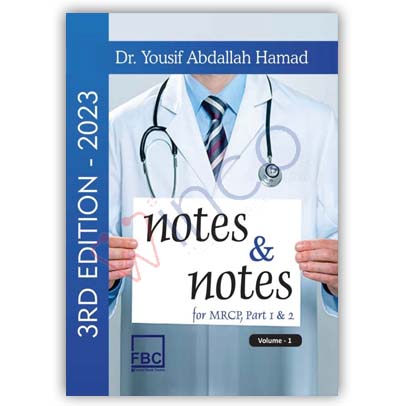
Notes and Notes for MRCP 1 and 2 (3 Volumes)
Original price was: ₨ 4,995.₨ 3,995Current price is: ₨ 3,995.
-18%
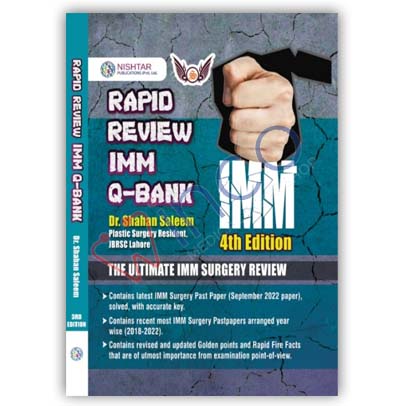
Rapid Review IMM Q Bank by Dr Shahan Saleem
Original price was: ₨ 1,095.₨ 895Current price is: ₨ 895.
-6%